

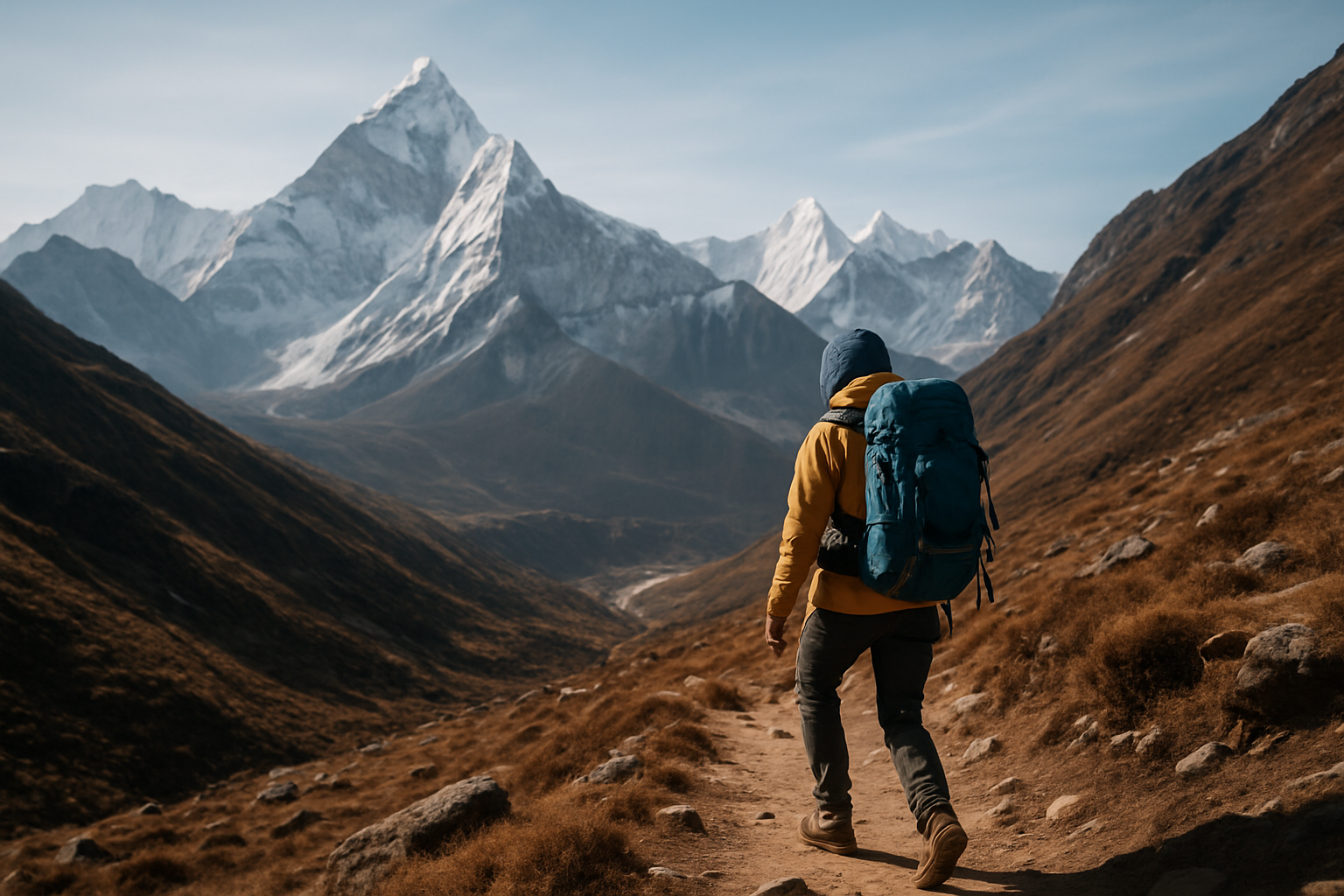

Adventure Travel on a Budget: How to Explore the Himalayas Cheaply
The Himalayas—towering peaks, breathtaking landscapes, and a mysterious allure that attracts adventurers worldwide. But if you think exploring this majestic region requires a fortune, think again. This guide to Adventure Travel on a Budget: How to Explore the Himalayas Cheaply will help you plan an unforgettable trip without breaking the bank. Whether you're a beginner or an experienced traveler, you’ll find practical tips, expert advice, seasonal insights, and a ready-to-use itinerary to make your Himalayan dream both affordable and safe.
Why Choose Adventure Travel on a Budget in the Himalayas?
Exploring the Himalayas on a budget is not only possible but thrilling. Traveling wisely means you can experience local culture, rugged trekking routes, and peaceful mountain villages without splurging on luxury resorts or expensive guided tours. Choosing budget options often leads to more authentic experiences, deeper local connections, and a greater sense of accomplishment.
Key reasons to travel on a budget in the Himalayas include:
- Lower daily costs for food, accommodation, and transport.
- Flexible itineraries centered around trekking and homestays.
- Chance to support local communities directly.
- An environmentally mindful approach by avoiding over-tourism hotspots.
When to Explore the Himalayas: Seasonal Tips for Budget Travelers
Planning your adventure around the right season can save you money and enhance your experience. The Himalayas have distinct seasons and your budget will stretch further if you avoid peak travel times.
- Pre-monsoon (March to early June): Ideal for trekking with clear skies and warmer weather. Book early for better budget deals.
- Post-monsoon (September to November): Also great for hiking but expect slightly higher prices as it’s a popular season.
- Monsoon (July to August): Not recommended due to heavy rains, landslides, and limited accessibility—potentially more costly due to travel disruptions.
- Winter (December to February): Cold with some areas inaccessible, but perfect for those seeking solitude and excellent deals on accommodations.
By planning your trip just outside peak months, you enjoy fewer tourists and more affordable rates on transport, stays, and guided trips.
Essential Budget Tips for Adventure Travel on a Budget: How to Explore the Himalayas Cheaply
Here are some practical steps to keep your expenses under control without missing out on the best adventures:
- Travel by local transport: Use buses or shared jeeps instead of private taxis to reach base towns like Manali, Leh, or Pokhara.
- Opt for guesthouses or homestays: Family-run stays offer affordable accommodation and authentic experiences.
- Self-guided trekking: Popular routes like Annapurna Base Camp and Markha Valley have marked trails; hire guides only when necessary for safety.
- Eat local: Choose local eateries serving dal bhat, momos, and lentils rather than expensive tourist restaurants.
- Pack smart: Bring essential gear from home to avoid costly last-minute purchases in the mountains. Think insulated jackets, trekking shoes, and reusable water bottles.
Step-by-Step Guide to Planning Your Himalayan Adventure on a Budget
- Research and Choose Your Route: Decide on a trekking region based on your fitness level and budget. For beginners, Annapurna and Langtang are affordable and accessible.
- Book Flights Early: If flying to Nepal or India, book international and domestic flights months ahead. Look for deals via budget airlines.
- Acquire Permits: Most regions require trekking permits (e.g., TIMS card, Annapurna Conservation Area Permit). Costs are reasonable; get them from official sources or trusted operators.
- Arrange Transport and Accommodation: Reserve guesthouses in advance, especially in popular trekking hubs. Local transport bookings can often be done upon arrival to save costs.
- Pack Accordingly: Use a checklist to avoid excess baggage fees and ensure you have weather-appropriate gear.
- Know Your Limits: Stay safe by monitoring altitude sickness symptoms and choosing acclimatization days as part of your itinerary.
Sample 7-Day Budget Itinerary: Annapurna Base Camp Trek
Day 1: Arrive in Pokhara – acclimate, explore the lakeside
Day 2: Pokhara to Nayapul by local bus, trek to Tikhedhunga (guesthouse stay)
Day 3: Trek to Ghorepani (homestay or guesthouse)
Day 4: Early hike to Poon Hill for sunrise, then trek to Tadapani
Day 5: Trek to Chhomrong – stunning mountain views, budget accommodation
Day 6: Trek to Annapurna Base Camp – take in the breathtaking panorama
Day 7: Return to Pokhara via the same trail or take a local jeep for faster travel
This route costs roughly $20–30 per day, including food, lodging, and permits, depending on your spending habits.
Safety and Gear Recommendations for Budget Adventurers
Safety comes first on any adventure travel. Here are expert tips:
- Always inform someone about your trekking plans.
- Carry a basic first-aid kit, sunscreen, and sufficient water purification options (tablets or filters).
- Invest in sturdy trekking shoes with good ankle support.
- Travel insurance is a must—look for policies covering high-altitude trekking.
- Avoid trekking alone, especially in less populated areas.
Local trekking shops and community centers often rent gear affordably—ask around to avoid unnecessary purchases.
Trusted Resources and Operators to Book With
When booking guided tours or permits, rely on reputable sources:
- Trekking Agencies’ Association of Nepal (TAAN): For licensed trekking agencies and guides.
- Visit Nepal Official Website: Updated travel info and permit requirements.
- Local Guesthouses and Homestays: Often recommended on forums like TripAdvisor or Lonely Planet.
- Budget airlines: Look for deals with airlines like Buddha Air, Air India, or low-cost buses in the Indian Himalayas.
Quick FAQs: Adventure Travel on a Budget: How to Explore the Himalayas Cheaply
Q: Do I need to speak the local language to travel cheaply?
A: English is widely spoken in trekking areas, but learning simple Nepali or Tibetan phrases enriches your experience.
Q: How much cash should I bring?
A: ATMs are available in main towns, but remote areas may require carrying cash. Budget around $25/day for food and lodging.
Q: Is altitude sickness a big risk?
A: Yes, especially on high passes. Climb slowly, stay hydrated, and consider medication if advised by a healthcare professional.
Conclusion: Start Your Affordable Himalayan Adventure Today!
Adventure travel on a budget doesn’t mean missing out—it means traveling smarter. With the right planning, equipment, and local know-how, you can explore the Himalayas cheaply while embracing its culture, nature, and spirit. Use this guide to prepare your trip step-by-step, stay safe, and enjoy every moment of your mountain adventure. The Himalayas await—with their legendary peaks and warm people—ready to reward your courage and curiosity.
Ready to start your journey? Pack your bags, follow our checklist, and step into the breathtaking world of budget Himalayan adventure travel. Your affordable mountain escape is closer than you think!