

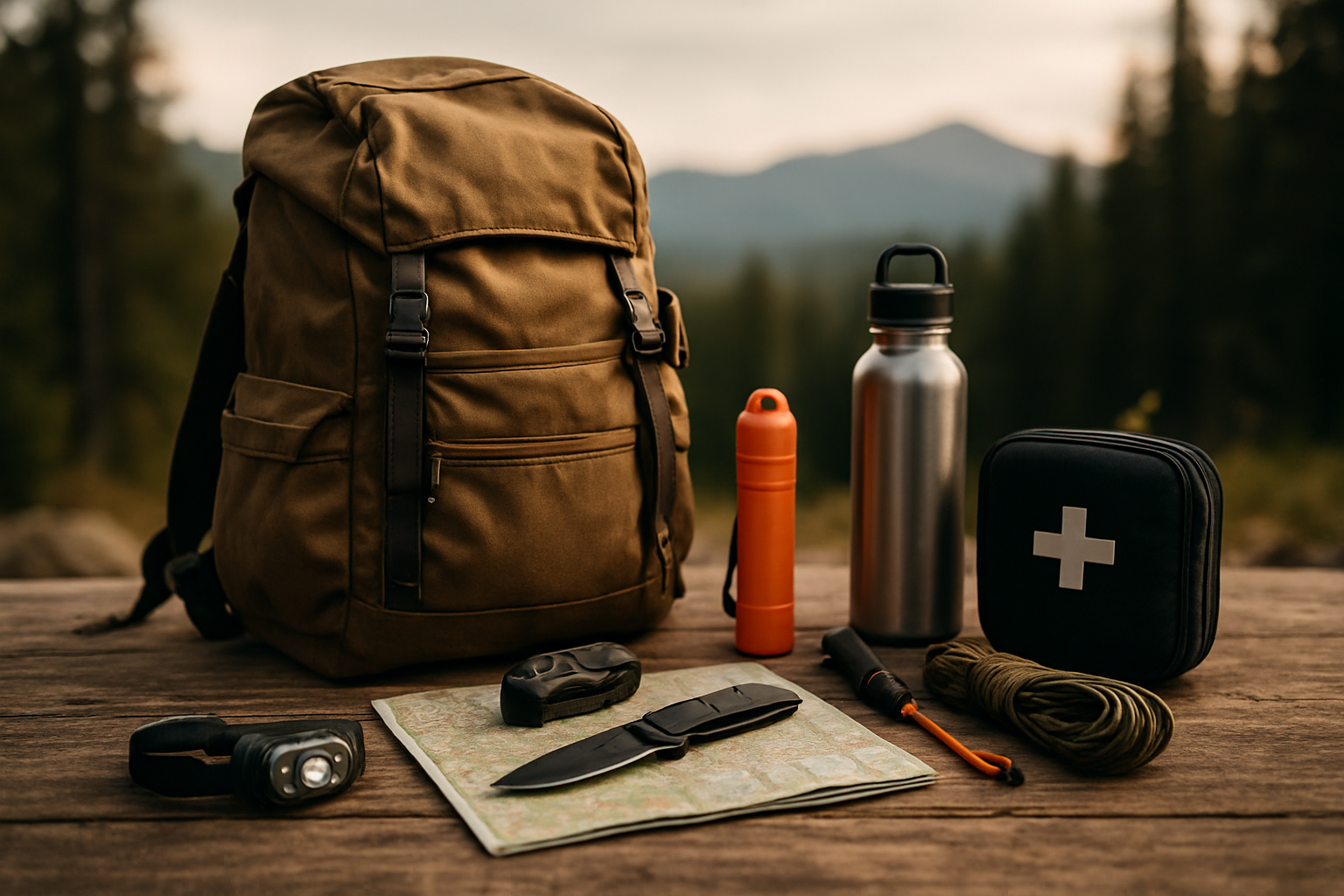

Essential Wilderness Survival Gear Every Hiker Should Carry in 2025
Whether you’re a beginner or a seasoned adventurer, being prepared is the key to enjoying the great outdoors safely. As hiking trends evolve and environments change, so does the list of Essential Wilderness Survival Gear Every Hiker Should Carry in 2025. In this article, we’ll guide you through the must-have gear, practical tips, and expert advice to help you confidently plan your next adventure.
Why Carry Essential Wilderness Survival Gear?
Hiking is refreshing and rewarding, but the wilderness can be unpredictable. Weather shifts, unexpected detours, and small accidents can turn a pleasant hike into a survival situation. Carrying the right survival gear ensures you’re ready to handle emergencies while enjoying nature’s beauty. The gear every hiker should carry in includes items that cover shelter, hydration, navigation, first aid, and fire-starting — essentials to protect you against most surprises.
Top Essential Wilderness Survival Gear Every Hiker Should Carry in 2025
Here’s a practical checklist of survival gear recommended for every hiker, balancing safety, weight, and cost:
- Navigation Tools: A reliable map, compass, and GPS device. Even with smartphones, signals can fail, so always bring analog backups.
- Water & Filtration: Carry at least 2 liters and a portable water filter or purification tablets to stay hydrated and safe from contaminants.
- Emergency Shelter: Lightweight options like a bivy sack or emergency blanket protect against exposure in sudden bad weather.
- Fire Starter: Waterproof matches, a lighter, and fire steel will help you start a fire for warmth, signaling, or cooking.
- First Aid Kit: Include bandages, antiseptics, pain relievers, and any personal medications.
- Multi-tool: Versatile and compact, perfect for repairs, food prep, or emergencies.
- Extra Clothing: Weather-appropriate layering, including rain gear and thermal layers.
- Headlamp or Flashlight: With extra batteries, for visibility in low light or emergencies.
Carrying quality versions of these items adapted to your hiking region and season will make all the difference.
Step-by-Step Planning: How to Prepare Your Survival Gear Kit
- Research Your Destination: Understand local conditions, terrain, and seasonal risks.
- Assess Trip Length and Group Size: More days and people may require larger or additional gear.
- Pick Lightweight and Multi-functional Items: Every ounce counts on the trail.
- Test Your Gear: Practice basics like fire starting or map reading before the trip.
- Update Annually: Replace expired meds, test batteries, and upgrade worn gear.
- Pack Strategically: Keep critical items accessible for emergencies.
Sample Itinerary & Gear Checklist for a 3-Day Hike in 2025
Day 1: Arrival & Trailhead Prep
- Check weather updates.
- Final pack review using the essential wilderness survival gear every hiker should carry in 2025 checklist.
- Inform a trusted person about your plan.
Day 2 & 3: Trail Adventure
- Use navigation gear actively.
- Hydrate continuously, filtering water as needed.
- Practice Leave No Trace principles while camping.
- Use first aid kit immediately if needed.
Gear Checklist
- Map, compass, GPS
- 2L water bottle + filtration system
- First aid kit
- Emergency shelter (emergency blanket or bivy)
- Fire-starting kit
- Multi-tool
- Extra clothing layers and rain jacket
- Headlamp with extra batteries
- Snacks and energy bars
Expert Tips & Local Insights for Safe Hiking in 2025
- Seasonal Advice: In spring and fall, pack extra insulation as temperatures can be unpredictable. Summer hikes need sun protection and hydration boosts, while winter requires more thermal gear.
- Safety Recommendations: Always tell someone your itinerary and expected return. Carry a whistle or signaling mirror to attract rescue teams in emergencies.
- Budget Gear Suggestions: Trusted brands like Sawyer for water filters, LifeStraw as a backup, and Osprey for backpacks offer long-lasting, affordable gear. Thrift/swap lightly used items in outdoor communities to save money.
- Local Insights: Check ranger stations for trail conditions and wildlife alerts. For example, some regions enforce bear canister requirements or seasonal trail closures.
Quick FAQs on Essential Wilderness Survival Gear Every Hiker Should Carry in 2025
Q: Can my smartphone replace navigation tools?
A: Smartphones are convenient but unreliable alone due to battery life and signal limitations. Always carry a physical map and compass.
Q: What’s the lightest emergency shelter option?
A: Emergency blankets or aluminized bivy sacks provide lightweight, compact shelter though less comfortable than tents.
Q: How often should I update my survival kit?
A: Check and refresh your kit every 6–12 months, especially first aid supplies and fire starters.
Q: Is it necessary to carry all this gear on short day hikes?
A: Tailor your survival kit based on hike length, remoteness, and weather, but even short hikes should include basics like water, navigation, and a first aid kit.
Trusted Resources to Plan Your 2025 Hiking Adventure
- REI Expert Advice – Comprehensive gear tips and hike preparation guides.
- The American Hiking Society – Trail stewardship, safety, and local trail resources.
- Local ranger stations and official park websites – For up-to-date trail info and regulations.
Final Thoughts: Gear Up to Explore with Confidence
Embracing the outdoors is thrilling, but knowing your essential wilderness survival gear every hiker should carry in 2025 is crucial to staying safe and enjoying your journey. Thoughtful planning, smart packing, and a readiness mindset mean you’re prepared for any challenge nature throws your way. Start building your survival gear kit today, test your skills, and hit the trail with confidence!
Ready to upgrade your hiking adventures and safety? Share your favorite gear or survival tips below, and let’s help each other explore the wild smarter and safer.
Happy hiking!